INNOVATION
The Grid Gets a Brain: A Power Shift Is Underway
Federal grants push utilities to upgrade digital systems as rising demand and aging assets test grid reliability
12 Dec 2025
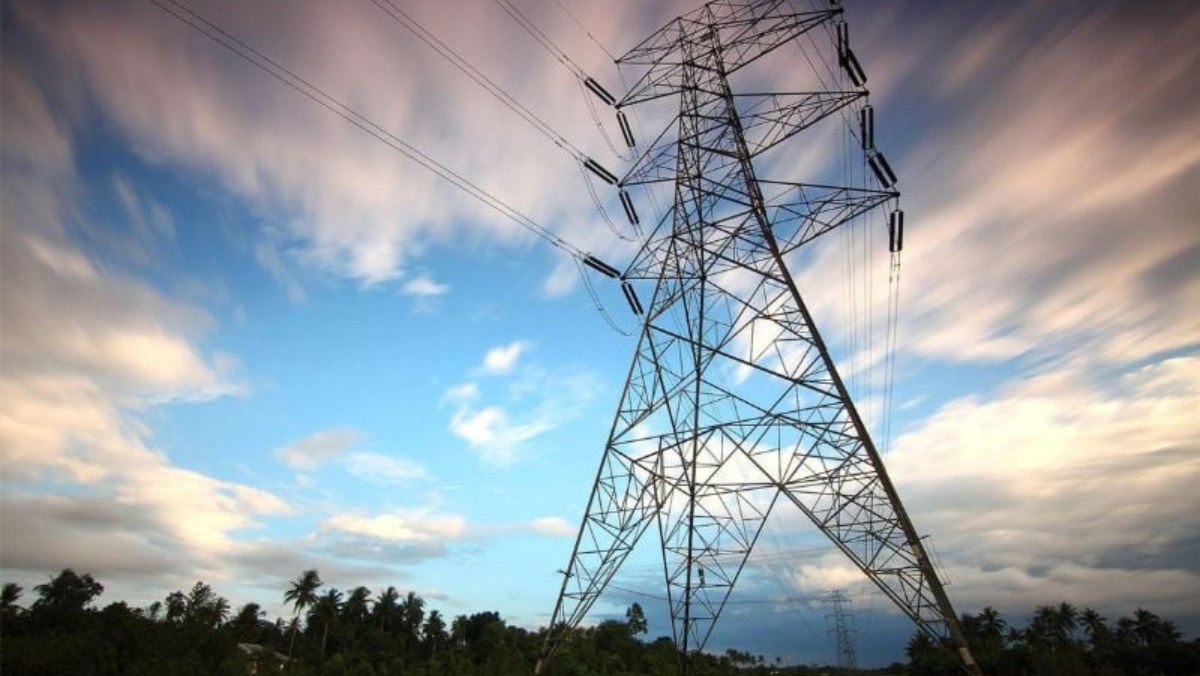
The US power grid is moving into a faster phase of modernisation, as federal funding and growing pressure on aging infrastructure push utilities to adopt smart energy networks.
The Department of Energy and its Grid Deployment Office have outlined billions of dollars in competitive grants and formula-based programmes to upgrade transmission and distribution systems and expand digital grid capabilities. The funding is aimed at improving how electricity moves across the country, with smart grid technologies becoming central to future operations.
The federal push is focused on flexibility and resilience. DOE-backed projects are targeting better monitoring, control and data systems across utility networks. The effort comes as electricity demand rises steadily, driven by electric vehicles, data centres and broader electrification of buildings and industry, according to DOE analyses and other studies.
Rather than relying only on new lines and substations, utilities are being encouraged to use existing assets more efficiently. Many are investing in digital infrastructure that allows operators to manage the grid in near real time, identify stress points earlier and respond more quickly to disruptions.
This marks a shift in how reliability is defined. Grid performance is increasingly tied to software, sensors and data platforms that help prevent failures, not just restore power after outages.
Technology providers are playing a growing role. Utilities across the country are deploying advanced grid management systems from companies such as Siemens and Schneider Electric, which offer greater visibility into network conditions and support the integration of renewable and distributed energy sources.
Industry analysts say federal backing has reduced financial risk and accelerated decision-making. Projects that were once limited to pilot programmes are now being adopted as core infrastructure, reflecting a broader view that digital systems are essential to long-term grid stability.
Challenges remain. Utilities and regulators continue to flag cybersecurity risks, workforce training needs and the complexity of aligning rules across states. Managing costs is also a concern, as upgrades are ultimately paid for by customers.
Still, the direction of travel is clear. As smart grid investments scale up, utilities, businesses and households stand to benefit from fewer outages and a system better suited to modern energy use. The overhaul is reshaping how the US powers its economy.
Latest News
12 Dec 2025
The Grid Gets a Brain: A Power Shift Is Underway11 Dec 2025
Can the US Grid Keep Up With a Digital Future?10 Dec 2025
Utilities Turn to AI as the Grid Feels the Heat25 May 2025
Inside the AI Labs Speeding Up US Grid Access
Related News
INNOVATION
12 Dec 2025
The Grid Gets a Brain: A Power Shift Is Underway

MARKET TRENDS
11 Dec 2025
Can the US Grid Keep Up With a Digital Future?

TECHNOLOGY
10 Dec 2025
Utilities Turn to AI as the Grid Feels the Heat
SUBSCRIBE FOR UPDATES
By submitting, you agree to receive email communications from the event organizers, including upcoming promotions and discounted tickets, news, and access to related events.