TECHNOLOGY
Is Edge AI About to Reinvent Your Power Meter?
Utilidata’s Karman uses NVIDIA tech for instant, edge-based control that could transform how utilities handle demand and outages
30 Apr 2025
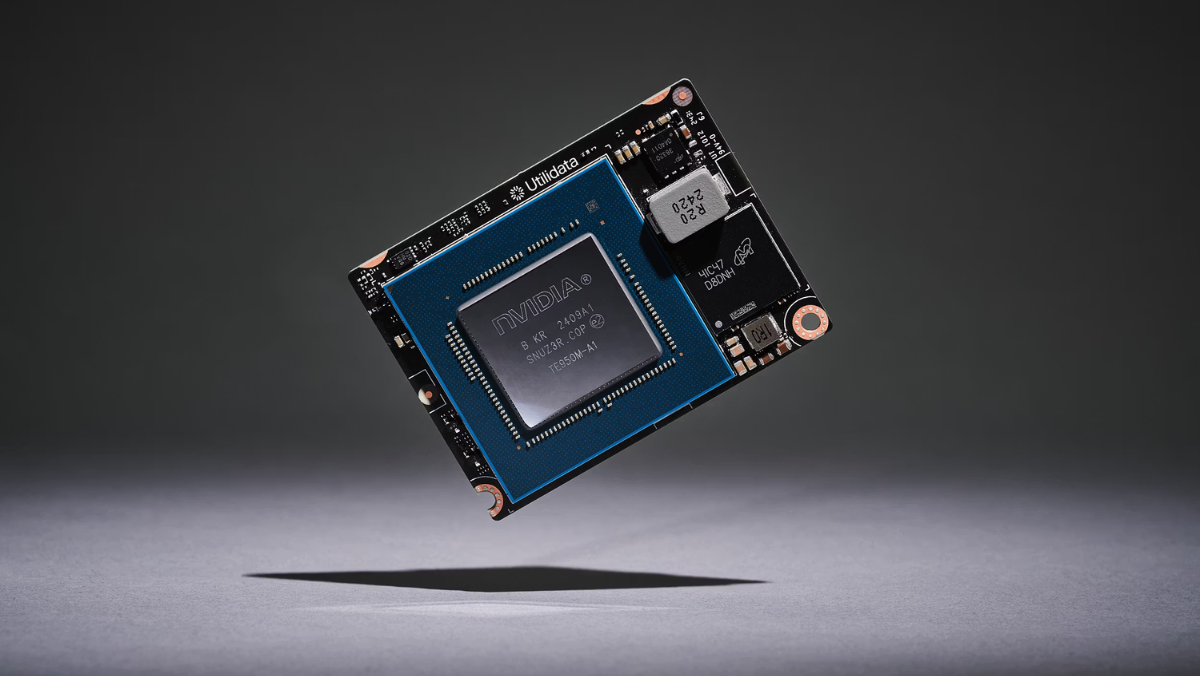
Utilidata has raised $60.3mn to speed deployment of its Karman platform, a system that embeds artificial intelligence into smart meters and distribution equipment to deliver real-time decisions at the edge of the US power grid.
The Rhode Island-based group said Karman shifts grid operations away from central control rooms by placing processing power inside local devices. These chips analyse conditions in milliseconds, allowing utilities to respond more quickly to outages, voltage swings and local congestion.
The financing round included support from Nvidia, Quanta Services and Renown Capital Partners, reflecting broader pressure on utilities as electric vehicle uptake grows and more homes add rooftop solar. Much of the existing network was designed for one-direction power flows and slower feedback loops.
“This brings visibility and decision-making right where it’s needed, on the front lines of the grid,” said one energy analyst. “It’s a fundamental change in how we manage complexity.”
Utilidata said Karman can help operators identify faults earlier and maintain steadier voltage as distributed energy sources expand. The company argues that neighbourhood-level data, processed locally rather than sent to regional hubs, offers insights that conventional systems often miss.
Utilities, however, face the task of integrating new hardware with ageing meters and transformers, and industry groups have warned that security standards will need to evolve as more devices gain computing capability. Regulators are also examining how edge-based systems fit within existing reliability rules.
Early pilots show interest from distribution utilities seeking to automate low-voltage networks and reduce manual field work. Further deployment will depend on procurement cycles, interoperability testing and evidence that local processing can lower operating costs.
As rollouts continue, Karman is positioned as part of a wider shift toward decentralised grid management, driven by higher demand, more variable generation and the need for faster control systems. The technology’s impact will depend on how quickly utilities adopt edge-based tools and how regulators assess their role in long-term planning.
Latest News
12 Dec 2025
The Grid Gets a Brain: A Power Shift Is Underway11 Dec 2025
Can the US Grid Keep Up With a Digital Future?10 Dec 2025
Utilities Turn to AI as the Grid Feels the Heat25 May 2025
Inside the AI Labs Speeding Up US Grid Access
Related News
INNOVATION
12 Dec 2025
The Grid Gets a Brain: A Power Shift Is Underway

MARKET TRENDS
11 Dec 2025
Can the US Grid Keep Up With a Digital Future?

TECHNOLOGY
10 Dec 2025
Utilities Turn to AI as the Grid Feels the Heat
SUBSCRIBE FOR UPDATES
By submitting, you agree to receive email communications from the event organizers, including upcoming promotions and discounted tickets, news, and access to related events.